



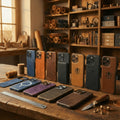





Open a box of artists' paints and you may find two browns named after one city: raw sienna and burnt sienna. They are the same earth. Raw, it is yellow-brown. Heated, it turns red. The name comes from Siena.
Our Siena leather phone case is named after this city. Named after it, not made there. Siena gives the case a name and an idea: a colour that changes with time, and a city that painted its idea of good government on a wall.
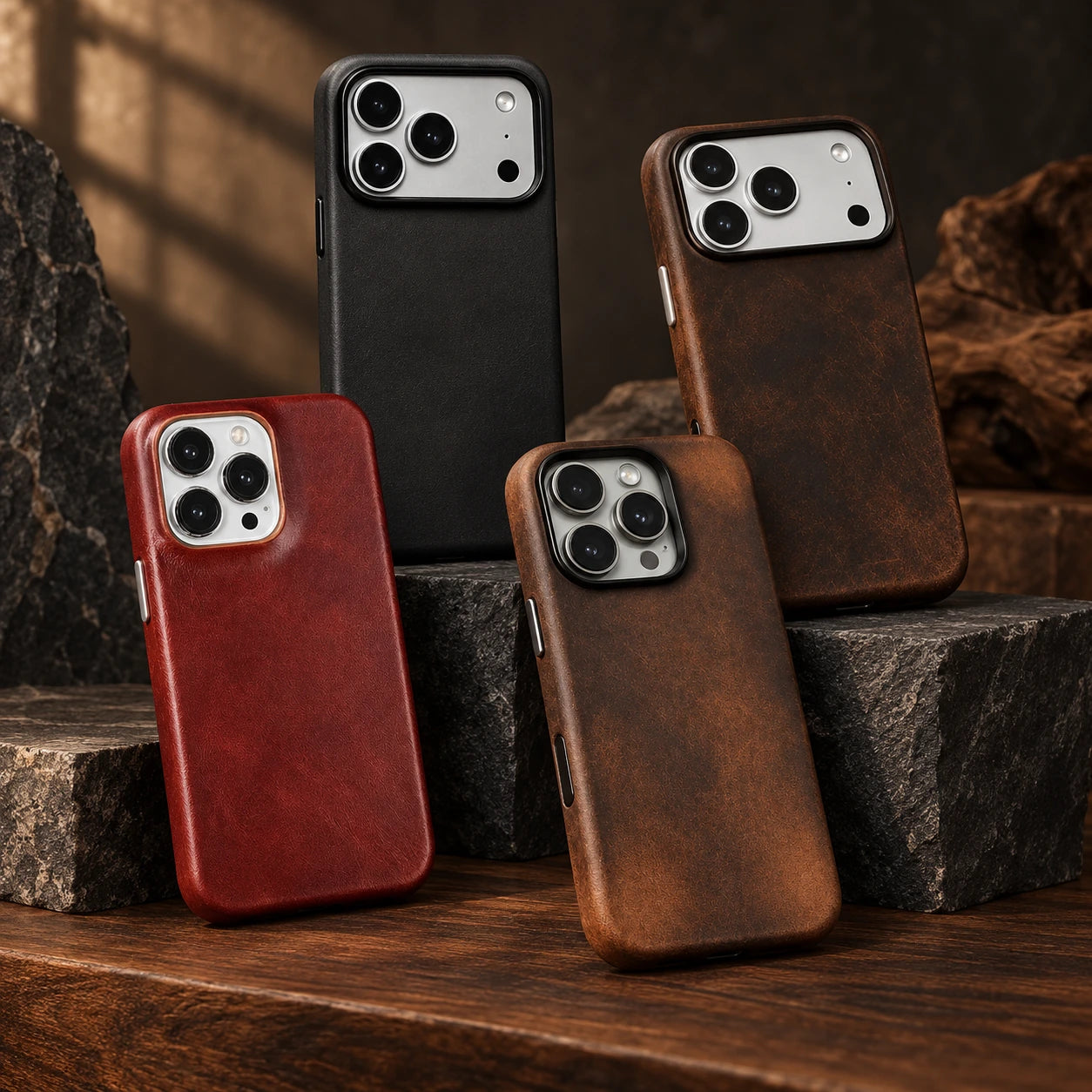
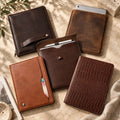
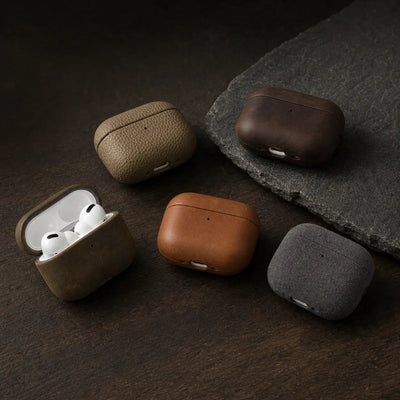
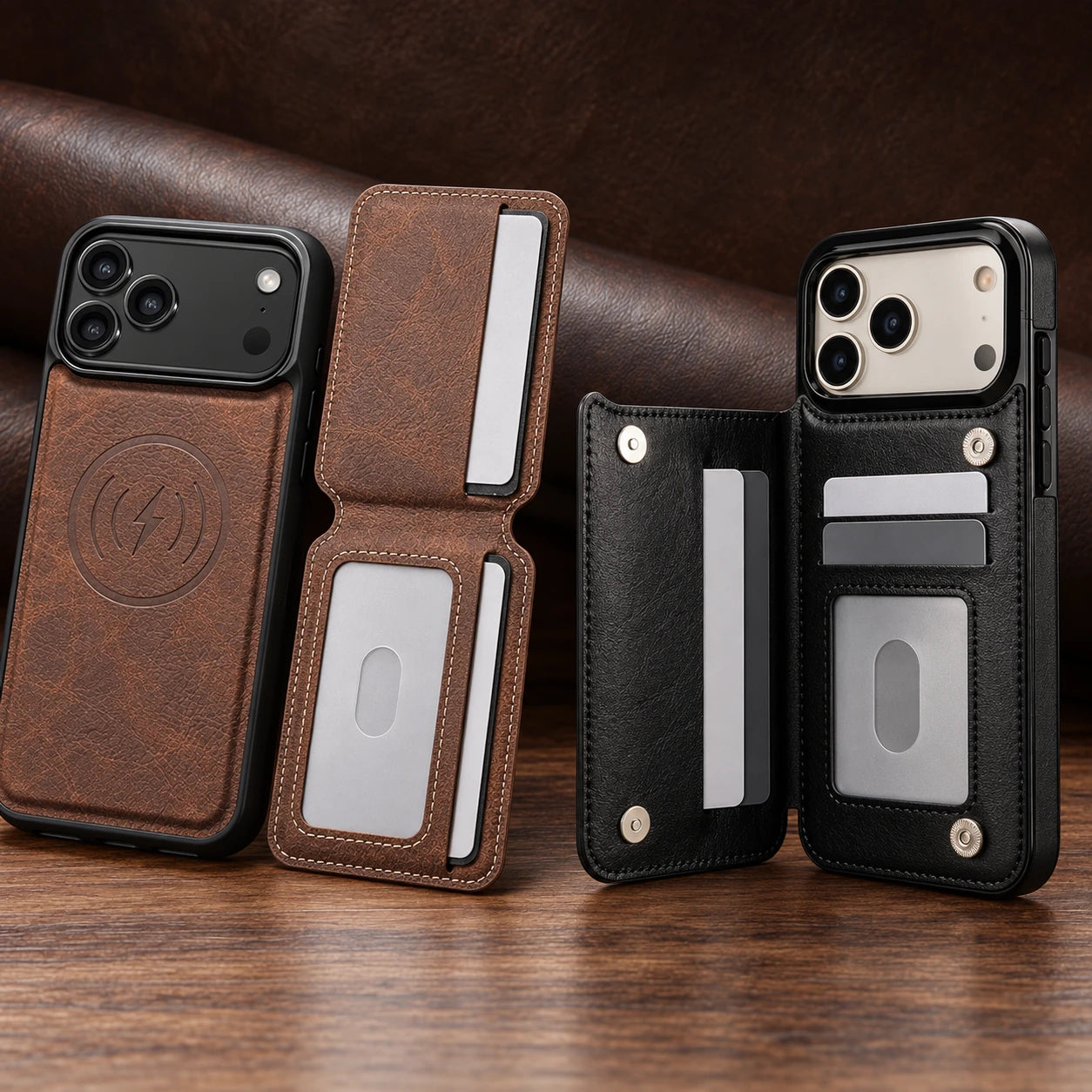
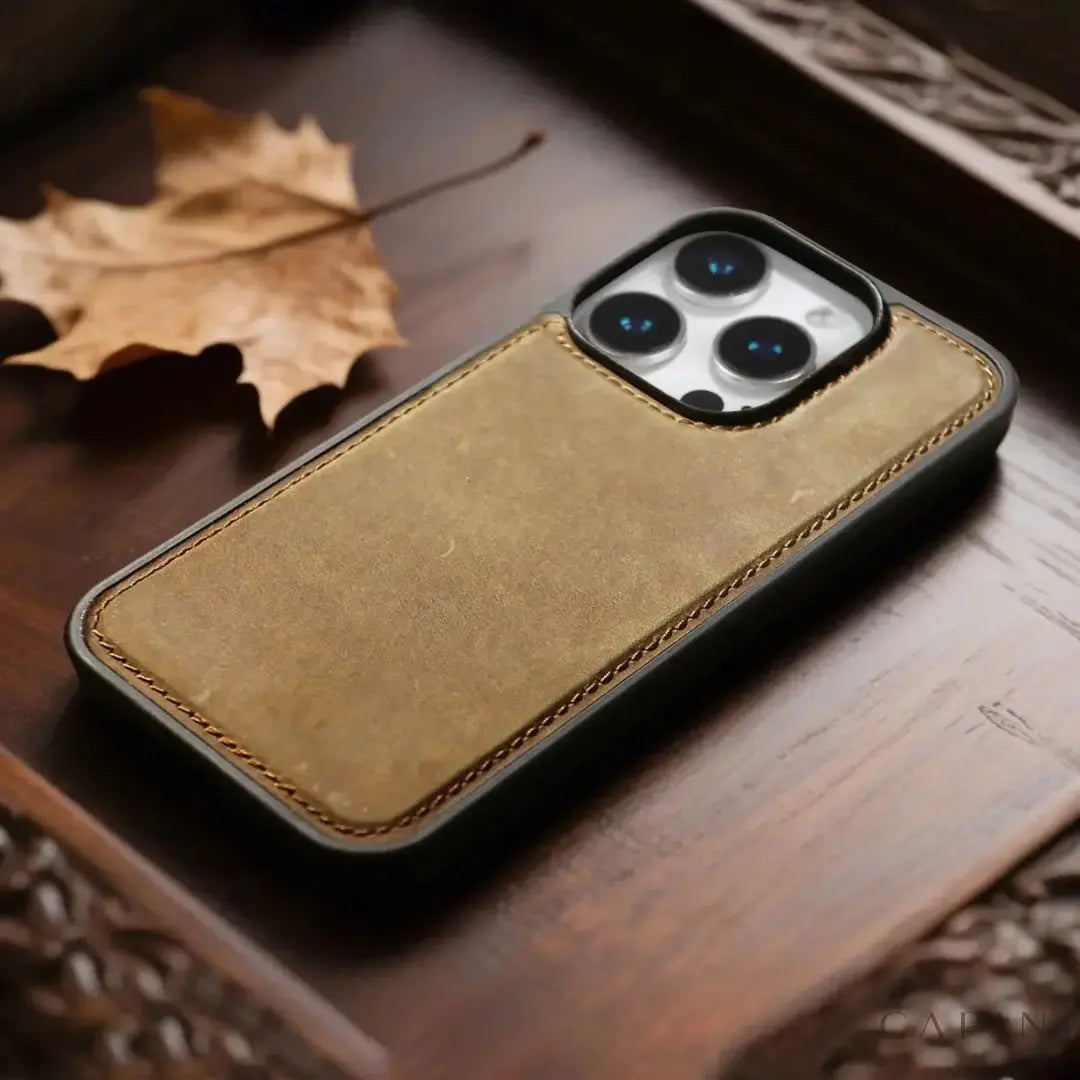
The Siena case is named after Siena, the city that gave its name to the earth pigment sienna and painted its idea of good government on a wall in 1338. The city is the name, not the origin. The case is full-grain cowhide with a Crazy Horse finish, a heavy wax finish rather than an animal, which starts matte and develops a patina with use.
- Siena names the case. The city gives it a name and an idea, not an origin.
- Terra di Siena is an earth pigment: yellow-brown raw, red once heated ("burnt").
- Ambrogio Lorenzetti painted the Allegory and Effects of Good and Bad Government in Siena's Palazzo Pubblico in 1338–1339.
- Siena has 17 Contrade, historic districts whose number and borders were fixed in 1729.
- Crazy Horse is a waxed leather finish. The hide is cow, and no horse is involved.
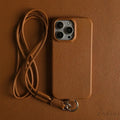
- The case: full-grain cowhide, matching stitching, raised edges, microfibre lining, six colours.
Where does the colour sienna get its name?
From the earth itself. The Treccani encyclopaedia describes terra di Siena as an earth whose colour runs from yellow-brown to dark brown, depending on its iron oxides. When it is calcined, or heated, it turns from bright red to deep red. That heated version is terra di Siena bruciata, burnt sienna.

Treccani's entry on ochres lists Siena and Grosseto among the places where the most prized ochres are found. So "sienna" in English and "terra di Siena" in Italian name the same thing: a natural pigment, raw or burnt.
Sienna is a colour before it is a place, and it is a colour that changes with heat and time. The leather of our case is not from Siena, and none of our colours is called sienna. We kept the idea.
What did Siena paint about good government?
Its own rules, on a wall, in 1338. In the Sala della Pace of the Palazzo Pubblico, the medieval town hall, Ambrogio Lorenzetti painted the Allegory and Effects of Good and Bad Government between 1338 and 1339. The work was commissioned by the Governo dei Nove, the council of nine citizens that governed Siena at the time.

The city's civic museum describes the scene from the left. Wisdom holds the scales of Justice. Concord sits at the foot of the throne. A line of citizens holds a cord that runs from Justice to the figure of the Comune, dressed in the traditional colours of Siena, white and black. The figure of Peace is, in the museum's words, surely the most famous of the whole cycle. On the east wall, the effects of good government unfold across the city and the countryside.
Lorenzetti is documented in Siena from 1319 to 1348. Almost seven centuries later, his fresco still shows what the city wanted to be.
What makes the Piazza del Campo and its tower special?
The whole city was planned around it. UNESCO calls Siena "the embodiment of a medieval city" and writes that the city, built around the Piazza del Campo, "was devised as a work of art that blends into the surrounding landscape".

Above the square rises the Torre del Mangia: 87 metres, or 102 with the lightning rod. Payments for its construction are documented from 1338, and it was probably completed on 18 December 1344. Its crown is in travertine and dark stone, to recall the white and black of the Comune of Siena.
The name comes from its first bell-ringer, Giovanni di Balduccio, known as "Mangiaguadagni", the one who eats his earnings. It was shortened to "Mangia". The great bell, the Campanone, dates from 1666 and weighs 6,764 kg.
What is a Contrada, and what does the Palio mean to the city?
Life in Siena turns around the Contrada. There are 17 Contrade, historic districts inside the walls, each with its own patron saint, seat and life. Their number and borders were fixed in 1729 by a proclamation of Violante of Bavaria. Before that there had been as many as 23.

Each Contrada has a Priore who runs it, a council, assemblies every two weeks, and groups for women, young people and children. You belong by birth in its territory, by residence or by descent. Since around 1949, a lay rite called the battesimo contradaiolo lets children born outside the walls join their family's Contrada. During the Festa Titolare, the feast of the Contrada's patron saint, the Priore gives each child a scarf in its colours.
The Palio belongs to this life. The Comune sets it in the Campo on 2 July and 16 August every year, and allows an extraordinary Palio only for truly exceptional occasions. Dates can move: in 2026 it was held on 3 July and 18 August. For the Sienese, the Palio is a civic and religious festival of the Contrade, and we leave it at that.
| Date | What happened in Siena |
|---|---|
| 1308–1311 | Duccio paints the Maestà for the cathedral |
| 1315 | Simone Martini paints the Maestà of the Palazzo Pubblico |
| 1338–1339 | Lorenzetti paints the Allegory and Effects of Good and Bad Government |
| 1338–1348 | The Torre del Mangia is built |
| 27 February 1472 | The Monte Pio, later Monte dei Paschi, is founded |
| 1729 | The 17 Contrade and their borders are fixed |
| 18 March 2010 | Ricciarelli di Siena registered as a protected name (IGP) |
What else is Siena known for?
Painting, an old bank and a biscuit without flour.

- Duccio. Duccio di Buoninsegna painted the Maestà for the cathedral between 1308 and 1311, on both sides of the panel. Treccani says it mixes the traditional Byzantine style with the new elements of Gothic art.
- A bank from 1472. On 27 February 1472, the General Council of the Republic created the Monte Pio to lend to "poor or miserable or needy persons" at 7.5% interest. The name "Paschi" came in 1624, when deposits were guaranteed with income from the state pastures, the paschi, of the Maremma.
- Ricciarelli di Siena. A protected name in the EU since 18 March 2010, made with chopped sweet almonds, sugar, egg white and raising agents, and no flour. The name only appears in the 19th century; before that they were called marzapanetti alla senese.
What does a city of colour have to do with a leather case?
Not the making. The Siena Crazy Horse case is not made in Siena, and its leather does not come from there. We would rather say that plainly than let the name suggest it.

The finish needs a plain word too. Crazy Horse is a way of finishing leather with heavy wax, not the animal it comes from. The hide is cow, and no horse is involved. The name of the finish has no link to the city or its festivals.
What we borrowed from Siena is the earth colour that changes with heat and time, and a city patient enough to paint its rules on a wall in 1338. Crazy Horse leather works the same way. It starts with a matte, vintage look and slowly develops a patina of marks and shade changes as you use it. Our leather guide explains how it differs from oil-wax, pull-up and Nappa.
What is the Siena case made of, and how do you choose one?
These are the facts from the Siena product page:

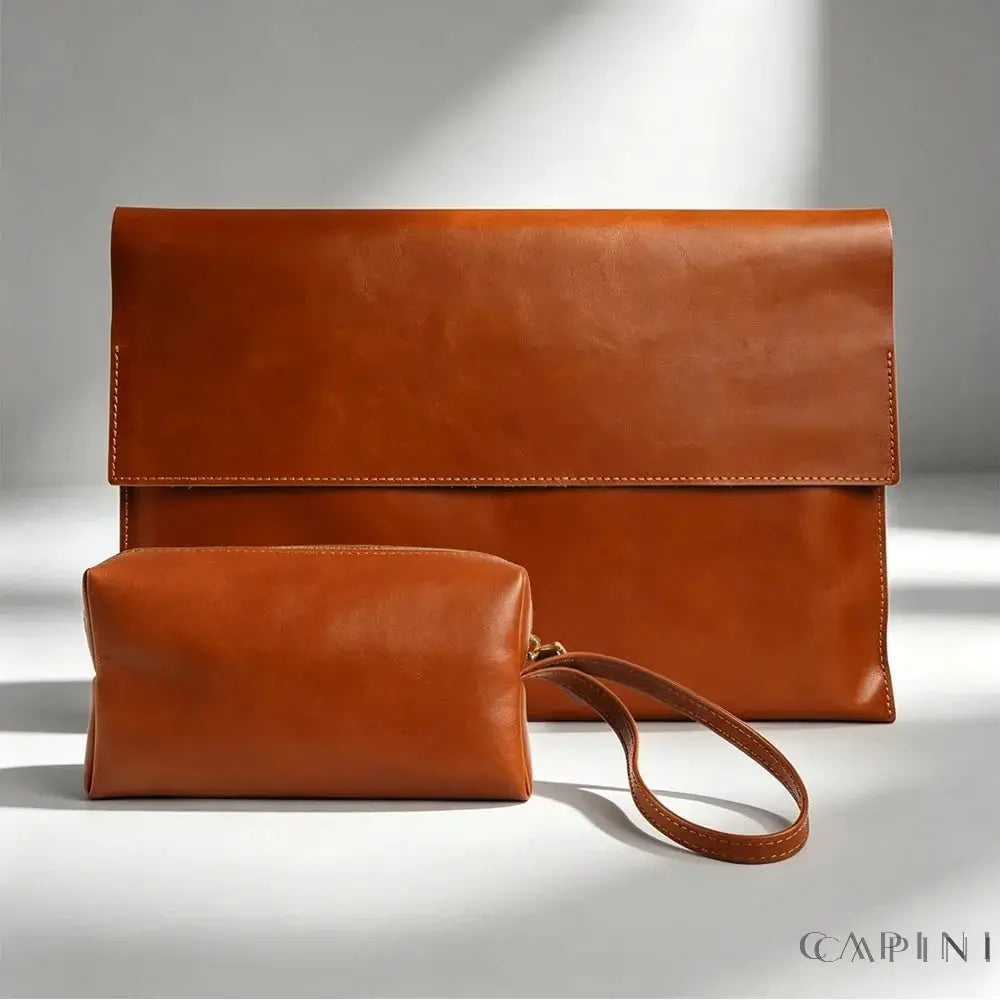
- Leather: full-grain Crazy Horse cowhide with an oil-wax finish that develops a patina over time.
- Stitching: visible, reinforced edge stitching in a matching tone.
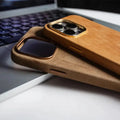
- Edges: a slightly raised lip around the screen and the camera.
- Structure: an impact-resistant shell designed to absorb daily bumps.
- Inside: a soft microfibre lining against micro-scratches on the back.
- Feel: matte and non-slip, slim and light, keeping the iPhone's own silhouette.
- Charging: works with standard wireless chargers without removing the case.
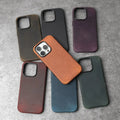
It comes in six colours: Dark Brown, Light Brown, Purple, Orange Brown, Dark Blue and Dark Green. Models run from the iPhone 12 to the iPhone 18 Pro and 18 Pro Max, including the iPhone 16e and the iPhone Air. Check your exact model in the selector, or use our guide on which case fits my iPhone.
Care is short. Avoid alcohol and harsh cleaners, and wipe gently with a soft dry or slightly damp cloth. Marks, shade changes and small scratches are natural features of Crazy Horse leather. Our article on leather patina explains why they become part of the case.
See our best sellers and the iPhone 17 cases. For another city in this series, read Lucca, the city of walls.
Frequently asked questions
Why is the case called Siena?
After the city that gave its name to the earth pigment sienna. Siena gives the case a name and an idea, not an origin.
Does the Siena case come from Siena?
No. The city gives the case its name. The case is not made there, and its leather does not come from there.
Is Crazy Horse leather made from horses?
No. Crazy Horse is a heavy wax finish. The Siena is full-grain cowhide.
Will the case change colour?
Yes. It starts with a matte, vintage look and develops a patina with marks and shade changes as you use it.
Does it work with wireless chargers?
Yes. The product page says it works with standard wireless chargers, with no need to remove the case.
Written by the Capini Firenze team. We work with these leathers every day and update this guide when our materials change.

Lämna en kommentar
Denna webbplats är skyddad av hCaptcha och hCaptchas integritetspolicy . Användarvillkor gäller.