
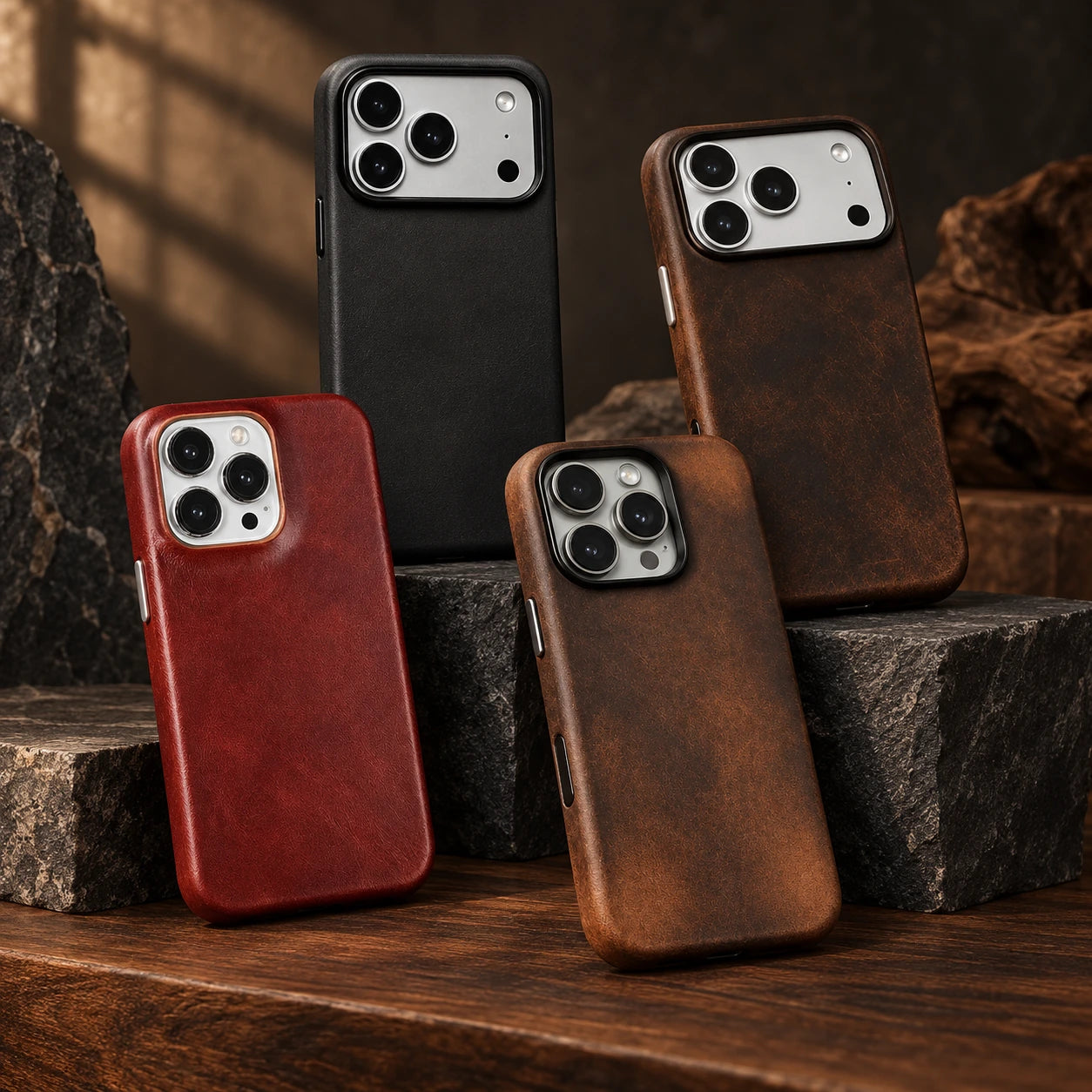
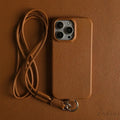
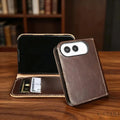
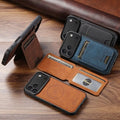

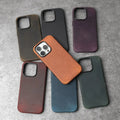
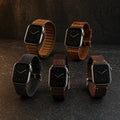
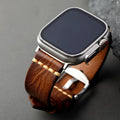
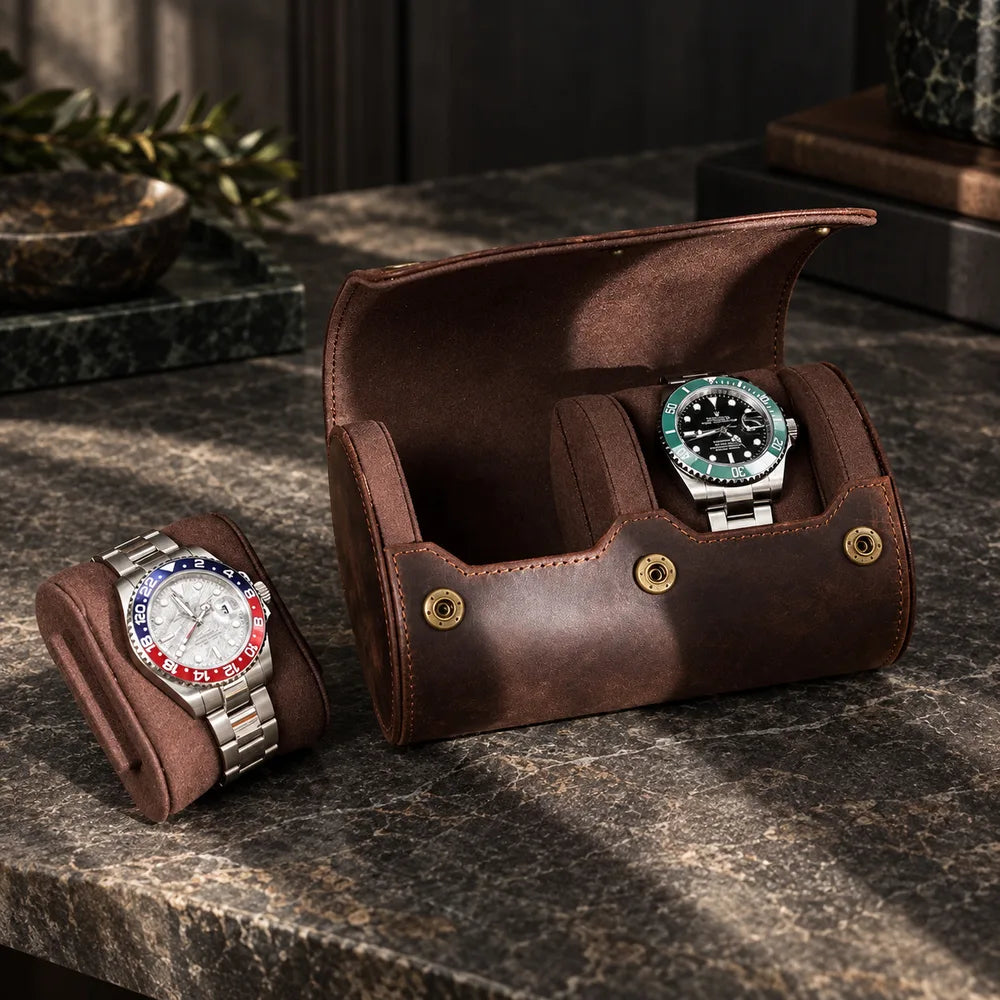
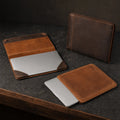



Every piece we sell carries the name of a town: Ferrara, Cremona, Modena, Ivrea, and many more. People reasonably ask whether that is where the piece comes from. It is not, and we would rather say so in the first lines than in the small print.
These are our notes on why we name things the way we do, what a name is allowed to mean, and the one place in our story that has a real address.
Each Capini piece is named after a town as a tribute to the town and to a way of thinking, not as a statement of origin. The only address we can document is a tannery: the leather of the Ferrara and the Vicenza cases is tanned by Mastrotto in Arzignano, in the province of Vicenza.
- A town gives a piece its name and an idea. It never tells you where the piece was made.
- Capini Firenze is named after Florence, as a tribute, not after a workshop there.
- A town name is never a statement of where a piece was made.
- The one documented origin is the leather of the Ferrara and the Vicenza: tanned by Mastrotto, in Arzignano, province of Vicenza.
- We pick a town only when one true fact about it says something about how the piece is used or ages.
Why is every Capini piece named after a town?
Because a town is a better shorthand for an idea than any adjective we could write. "Durable" and "classic" mean nothing on their own. A town where bicycle use once stood at about 30% says something precise about objects that are used every day and kept.

The habit starts with our own name. Capini Firenze is named after Florence, not after a workshop there. Florence taught us one thing we try to keep: a well-made object does not need to shout. Its cathedral dome was finished in 1434, built without a wooden frame to hold it up while it rose, and it is still in use.
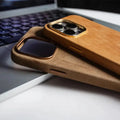
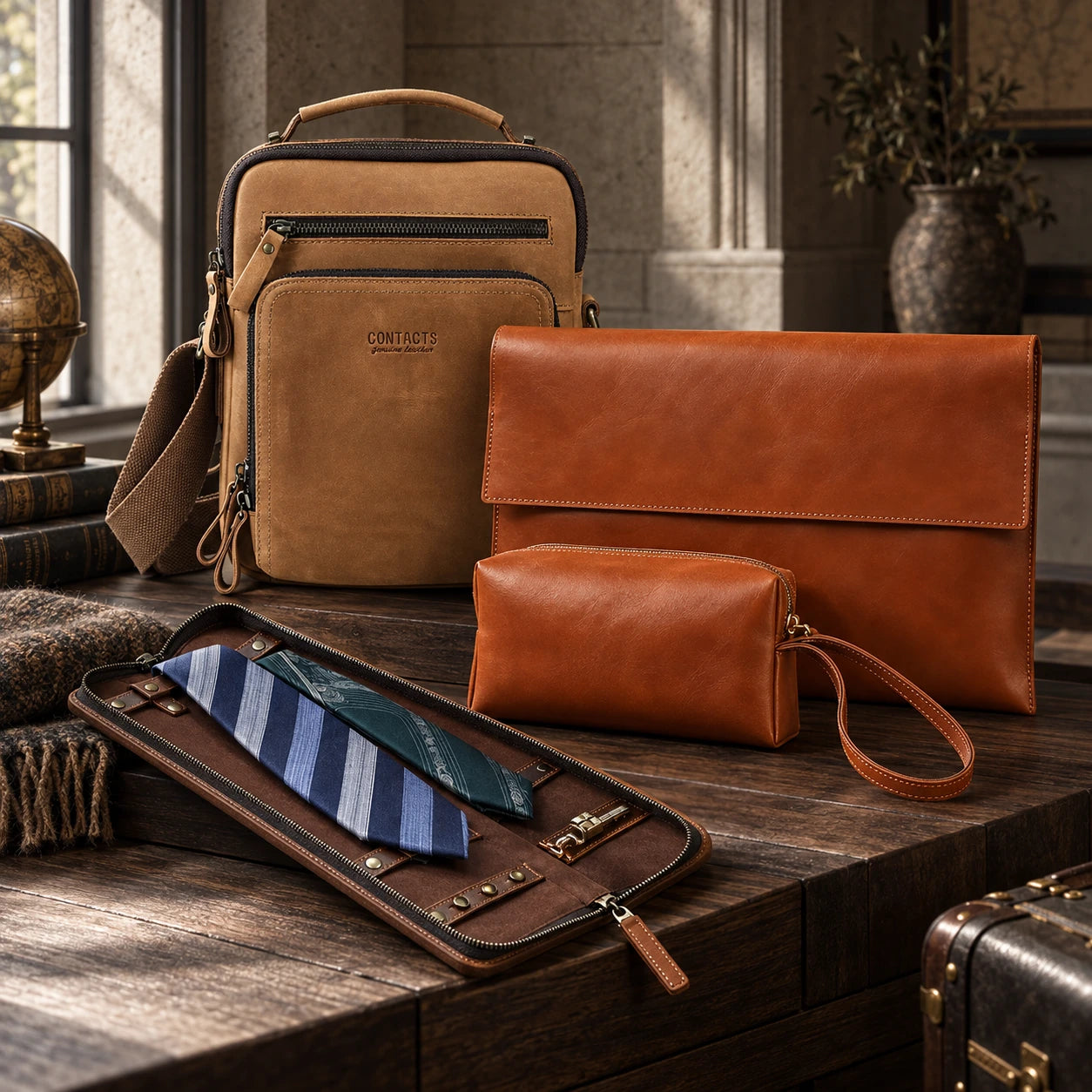
The same logic runs through the range. The Ferrara case, our best-known piece, is named after a city that lets things age. The name is a tribute. It is not a label of origin.
Does the town tell you where a piece was made?
No. The town on a product is a name. It never tells you where the piece was cut, sewn or assembled.

We say this plainly because the opposite impression is easy to create. An Italian name, a photograph of a piazza, a word like "heritage", and a reader fills in the rest. We would rather you fill it in correctly.
So when a product page names a place, read it as a name. When it names a material, read it literally. The Vicenza page, for example, states its material in full: full-grain cowhide tanned by Mastrotto in Arzignano, in the province of Vicenza. That is a claim about the leather, and it is the only kind of origin claim we make.
What does a town give a piece, if not its origin?
One true fact, and the idea that comes with it. Four examples:
| Product | Named after | One fact about the town | What we borrowed |
|---|---|---|---|
 Ferrara |
Ferrara, Emilia-Romagna | Bicycle use stood at 30.7% in 1991 | Everyday objects that get scratched and stay |
 Cremona |
Cremona, Lombardy | UNESCO, 2012: "No two violins are alike" | Material chosen for what it will become |
 Modena |
Modena, Emilia-Romagna | Tradizionale vinegar needs at least 12 years in wood | Patience that shows on the surface |
 Ivrea |
Ivrea, Piedmont | The Lettera 22 portable typewriter (1950) is in MoMA's collection | Technology made to be carried |
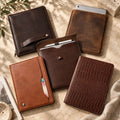
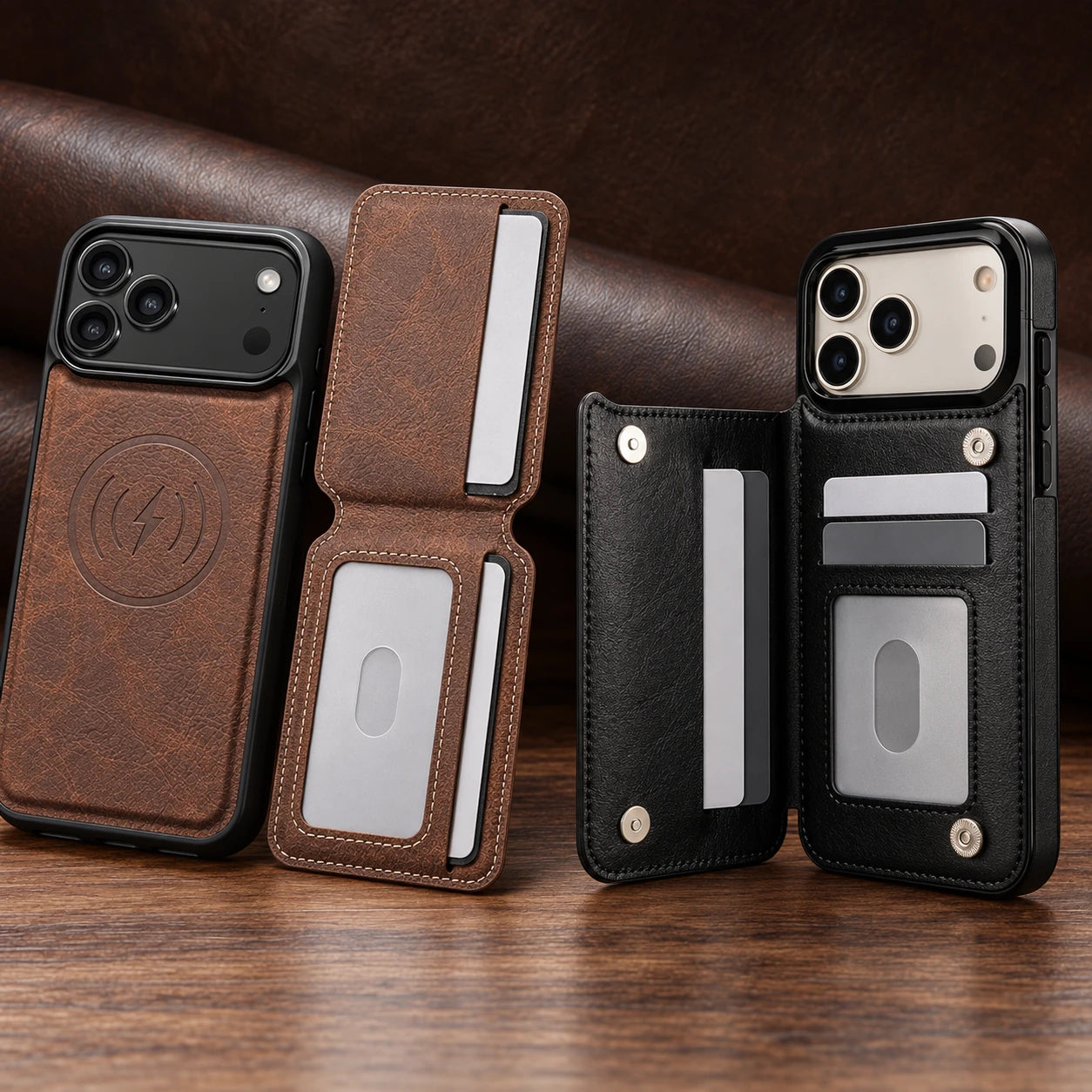
Ferrara. According to Ferrara in Bici, the city's cycling programme, bicycle use there stood at 30.7% in 1991. A bicycle in Ferrara is not a hobby; it is furniture. The Ferrara case is full-grain cowhide with a Crazy Horse finish, which is a heavy wax pull-up, not the animal. It lightens where it bends and darkens where your hand rests. Read the full story in the city behind our bestselling case.
Cremona. UNESCO inscribed traditional violin craftsmanship in Cremona in 2012, and its listing says: "No two violins are alike." The difference starts with the material. Our Cremona strap is full-grain top-layer cowhide with a vintage pull-up finish, so no two age the same way. See Cremona, the city of violins.
Modena. Under its production rules, Aceto Balsamico Tradizionale di Modena DOP may carry that name only after a minimum of 12 years of ageing in wood. The Modena case is cowhide with a Crazy Horse finish that builds a patina slowly, in the places you touch most. More in the city that measures in years.
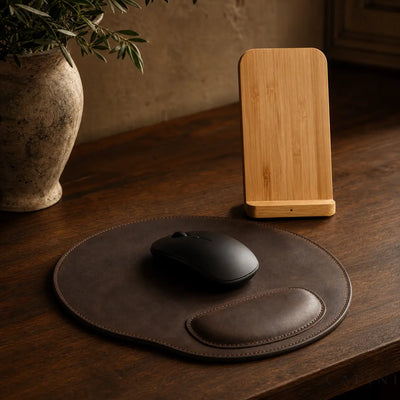
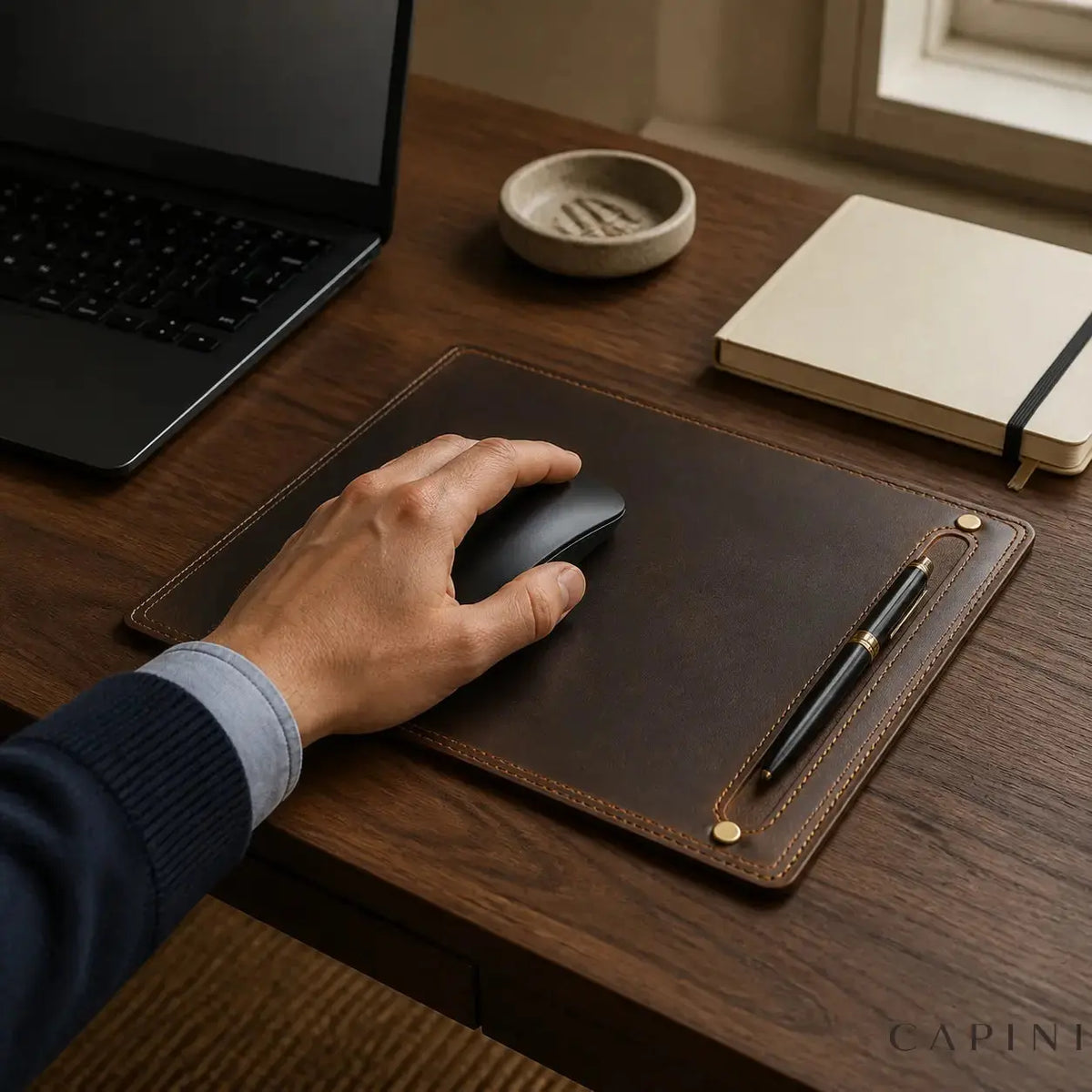
Ivrea. The Museum of Modern Art in New York holds the Lettera 22 portable typewriter of 1950, listed with its manufacturer in Ivrea. A typewriter you could carry. The Ivrea sleeve is pull-up leather for a laptop, slim at 20mm, and it lies flat as a mouse pad once the laptop is out. Read Ivrea, the city that made technology personal.
None of these leathers comes from those towns. The towns give the pieces a way of thinking about time and use.
Where does an address appear, then?
In one place: the tannery. The leather of the Ferrara and the Vicenza cases is tanned by Gruppo Mastrotto in Arzignano, in the province of Vicenza, in the Veneto.

That address is checkable. Mastrotto's own company profile says the group was founded in 1958 and has its headquarters in Arzignano. The Italian tanners' association, UNIC, places the Chiampo valley around Arzignano among the largest tanning districts in the world, producing half of Italy's tanned leather.
Notice what this covers and what it does not. It covers the leather of those two cases. It does not cover the cutting, the stitching or the assembly, and it does not cover the leather of our other pieces. The Vicenza case is the one place where a product's name and the origin of its leather meet, and even there the claim is about the leather alone.
How do we decide whether a name is honest?
Two questions, every time.

- Does one true fact about the town say something about how this piece is used or how it ages? If we cannot find that fact in an open source, the town does not get the piece.
- Would a reader think the piece was made there? If the answer is "maybe", we rewrite.
That second question shapes our language. We write "named after Florence", and we never describe a leather by the name of a city it does not come from. We write "tanned by Mastrotto in Arzignano" only where a product page says so, which today means the Ferrara and the Vicenza. We leave out what we cannot document.
The same rule applies to every series. Our wine carriers each carry a town too; see the five towns behind our wine carriers, or read why our Nappa case is named after Naples. Browse our best sellers to see the names in use.
Frequently asked questions
Why are Capini products named after Italian towns?
As a tribute to the town and to an idea it stands for. The name is never a statement of where the product was made.
Does the town name mean the product was made there?
No. Italian town names are tributes, not origins.
Is any part of a Capini product Italian?
The leather of the Ferrara and the Vicenza cases is tanned by Mastrotto in Arzignano, in the province of Vicenza. That is the one origin we can document.
Is Capini Firenze from Florence?
The brand is named after Florence, as a tribute. The name is not a place of manufacture.
Is the Ferrara case made in Ferrara?
No. Ferrara gives the case its name. Its leather is tanned by Mastrotto in the province of Vicenza.
How do you choose which town names a piece?
We look for one documented fact about the town that says something about how the piece is used or ages, and we check that the name cannot be read as an origin.
Written by the Capini Firenze team. These are our own notes on how we name things, and we update them when our materials or suppliers change.


Leave a comment
This site is protected by hCaptcha and the hCaptcha Privacy Policy and Terms of Service apply.